
Unique Challenges Facing International Families in Germany
Germany is home to a large and growing population of international families – couples and families where partners come from different countries, speak different native languages, and carry different cultural expectations about relationships, finances, and family life. These families contribute enormously to Germany’s social and economic vitality, but they also face unique challenges that can strain even the strongest relationships. Differences in communication styles, financial habits, parenting approaches, and family obligations can create misunderstandings that escalate into serious disputes when compounded by the stress of living in a foreign country.
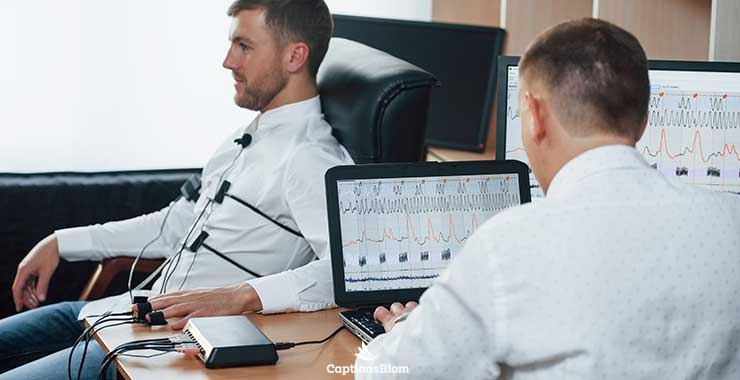
When trust breaks down within an international family, the consequences can be particularly severe. Legal systems in different countries may offer conflicting guidance on property division, custody rights, and spousal support. Family members living abroad may feel isolated from support networks that could help mediate conflicts. Language barriers can make it difficult to communicate effectively during emotionally charged discussions. In these complex situations, international families in Germany increasingly turn to professional polygraph examinations as an objective tool for establishing truth and facilitating fair dispute resolution.
Relationship Trust and Fidelity Concerns
Infidelity suspicions are among the most common reasons international families in Germany seek polygraph testing. When one partner works long hours, travels frequently for business, or maintains close relationships with colleagues from different cultural backgrounds, the other partner may develop concerns about fidelity that are difficult to address through conversation alone. Cultural differences in attitudes toward opposite-sex friendships, social media interactions, and workplace relationships can amplify these concerns, creating a cycle of suspicion and defensiveness that poisons the relationship.
A professionally administered polygraph examination provides a clear and objective answer to fidelity questions, allowing the couple to move beyond the cycle of accusation and denial. For the partner who has been faithful, the examination offers vindication and the opportunity to rebuild trust on a solid foundation. For couples where infidelity is confirmed, the examination results provide the factual basis needed to make informed decisions about whether to pursue reconciliation through counseling or to begin the process of separation. In either scenario, the polygraph eliminates the paralyzing uncertainty that prevents families from moving forward productively.
Financial transparency issues represent another significant source of conflict in international families. When partners maintain bank accounts in different countries, send remittances to family members abroad, or make investments without full disclosure to their spouse, the resulting lack of financial transparency can be deeply corrosive to trust. Polygraph examinations focused on financial honesty can help couples establish whether their finances are being managed transparently, providing a foundation for constructive conversations about budgeting, saving, and financial planning as a family unit.
Child Custody and Parenting Disputes
Custody disputes within international families carry uniquely high stakes because of the possibility that one parent might relocate with the children to another country. Germany is a signatory to the Hague Convention on International Child Abduction, which provides legal mechanisms for addressing cross-border custody disputes, but prevention is always preferable to legal action after the fact. When allegations arise that one parent is planning to remove children from Germany without the other parent’s consent, polygraph testing can help clarify the truthfulness of these allegations and inform protective legal measures.
Allegations of child abuse, neglect, or exposure to harmful environments are tragically common in contested custody cases and require careful, objective investigation. In international families, these allegations can be complicated by cultural differences in parenting practices – what is considered normal discipline in one culture may be viewed as abuse in another. Polygraph examinations help investigators and family law practitioners distinguish between genuine safety concerns and tactical allegations designed to gain advantage in custody proceedings. The goal is always to protect children while ensuring fairness to both parents.
Co-parenting compliance monitoring is an emerging application of polygraph testing for international families who have already established custody arrangements. When one parent suspects that the other is violating the terms of a custody agreement – by exposing children to inappropriate individuals, failing to maintain educational commitments, or not following agreed-upon health and safety protocols – a polygraph examination can verify compliance without the need for lengthy and expensive court proceedings. This application of testing helps maintain the stability that children need during and after family transitions.
Property and Financial Dispute Resolution
International families in Germany frequently face complex property and financial disputes when relationships break down. Assets may be distributed across multiple countries, held in different currencies, and subject to the laws of various jurisdictions. One partner may claim that the other has hidden assets, transferred property to relatives abroad, or undervalued jointly owned businesses. Traditional financial investigation methods can uncover some of these issues, but they are time-consuming, expensive, and not always conclusive, particularly when assets are held in countries with limited financial transparency.
Polygraph testing offers a direct and efficient means of assessing whether a party to a financial dispute is being truthful about the extent and location of their assets. An examination focused on financial disclosure can reveal whether hidden accounts exist, whether property transfers have been made in anticipation of divorce proceedings, and whether income or business revenues have been accurately reported. While polygraph results alone may not be sufficient to locate specific assets, they provide investigators with critical direction about where to focus their efforts and which claims merit further investigation.
How Professional Polygraph Services Support Fair Outcomes
The value of polygraph testing in international family disputes lies in its objectivity. Unlike mediators or counselors who must rely on the parties’ own accounts, a polygraph examination provides physiological evidence of truthfulness that is independent of cultural context, language ability, or personal charm. This objectivity is especially important in international family disputes where power imbalances may exist – for example, when one partner is more fluent in German and has better access to legal resources, the other partner’s truthful account may be unfairly discounted without objective verification.
Professional polygraph examiners who specialize in international family cases understand the importance of cultural sensitivity and linguistic competence. Examinations must be conducted in a language the examinee is fully comfortable with, using questions that are culturally appropriate and unambiguous. Leading providers offer examinations in multiple languages and employ examiners who are experienced in working with diverse populations. For international families in Germany seeking reliable polygraph services, visiting https://globalexpertsunion.com/lie-detector-germany/ provides access to experienced professionals who specialize in cross-cultural examinations. Their team is equipped to handle sensitive family matters with the discretion and expertise that these situations demand, and they welcome inquiries from families looking for truthful answers to difficult questions.
Key Recommendations for International Families Considering Polygraph Testing
If you are part of an international family in Germany considering polygraph testing to resolve a dispute, start by identifying the specific questions that need to be answered. The more focused and precise your questions, the more accurate and useful the examination results will be. Avoid trying to address too many issues in a single examination – it is better to conduct separate tests for distinct issues than to overload a single session with multiple complex topics that can dilute the physiological responses and reduce accuracy.
Consult with a family law attorney who has experience with international cases before scheduling an examination. Your attorney can advise you on how polygraph results might be used within the German legal framework and whether testing is likely to advance your objectives. They can also help you understand your rights under German data protection law regarding the storage and disclosure of examination results, which is particularly important given the sensitive nature of family disputes.
Choose a polygraph provider with demonstrated experience in international family cases and the ability to conduct examinations in the languages relevant to your situation. Verify that the examiner holds recognized international credentials and uses modern digital polygraph equipment with validated examination protocols. A qualified provider will offer a confidential preliminary consultation to discuss your situation and help you determine whether polygraph testing is the right approach for your specific circumstances. Remember that the goal of testing is not to win an argument but to establish truth – and truth is the most reliable foundation for resolving any dispute, regardless of its complexity or the cultural backgrounds of those involved.
